

Biological desalination for impossible wastewaters.
The global production of hypersaline brines is equivalent to the water consumption of 300 million people.
We enable water treatment plants to desalinate hypersaline brines with new biology.

OIL & GAS
LITHIUM & COPPER
SEAWATER
HOW IT WORKS
Biodesalination through bacterial ion adsorption
Hypersaline brines can reach salt concentrations up to 10× higher than seawater, making conventional wastewater treatment ineffective.
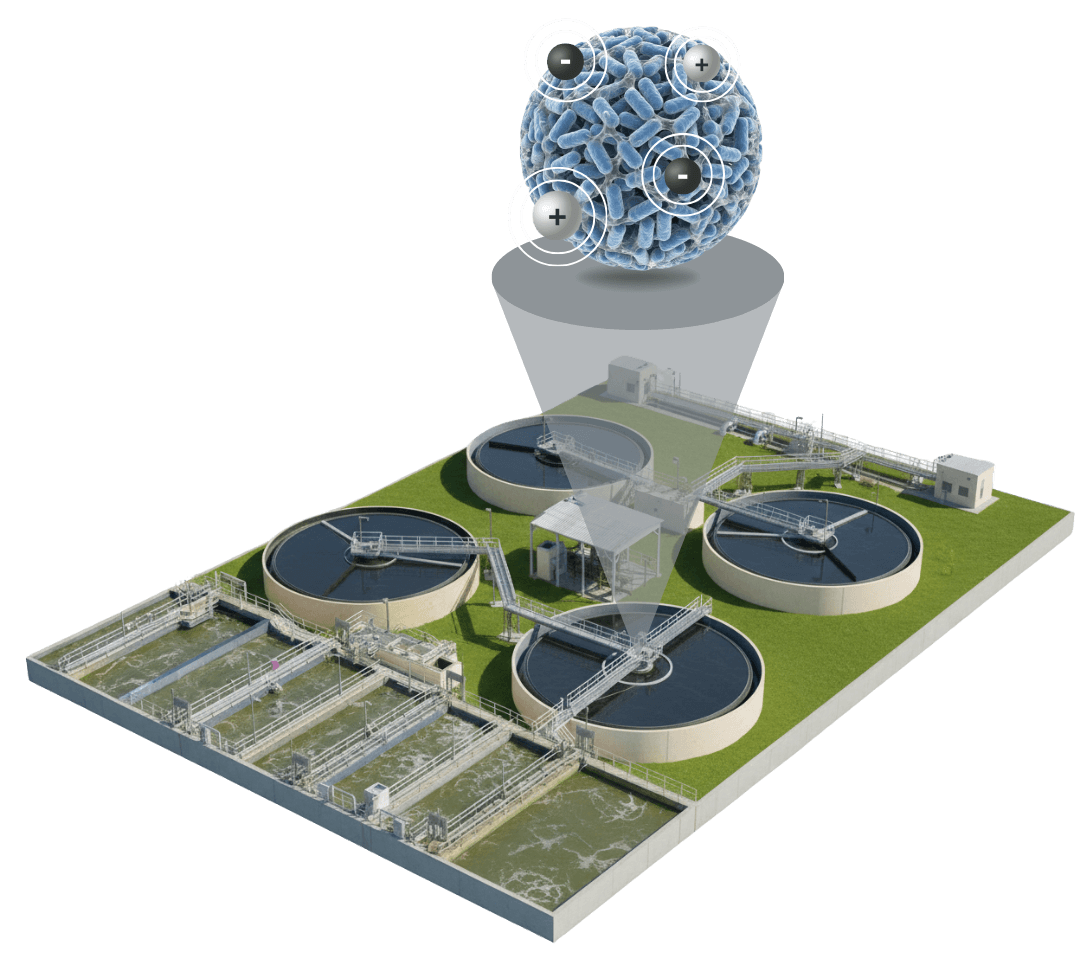
Cyanomin uses unique bacteria that adsorb ions directly from hypersaline brines, thanks to their thick, electrically charged biofilm.
This biological process adsorbs and traps ions, enabling the effective treatment of hypersaline brines without membranes, pressure, or heat.

Unique bacteria with a thick, electrically charged biofilm.
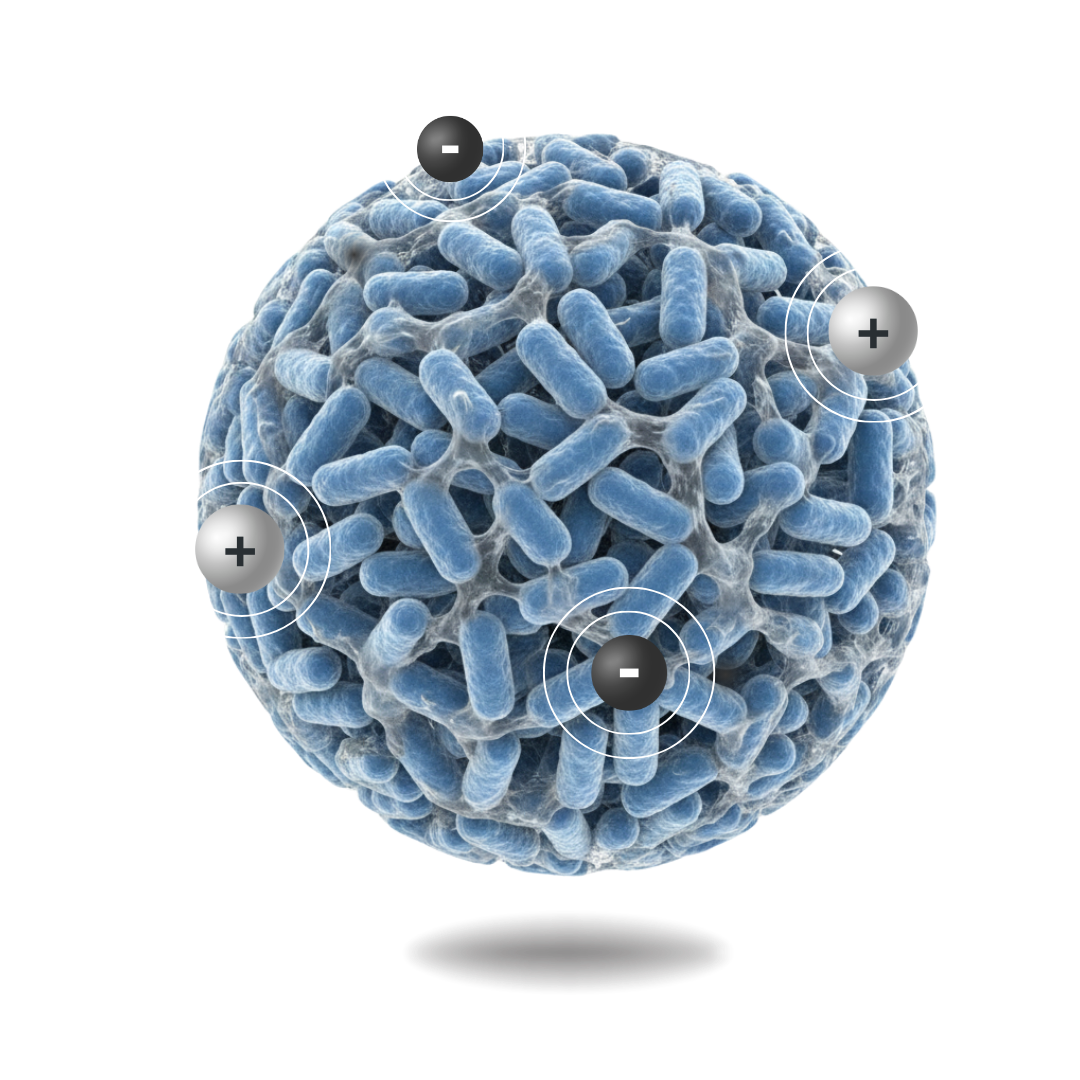
Ions in hypersaline wastewater are adsorbed.

WHAT WE DO
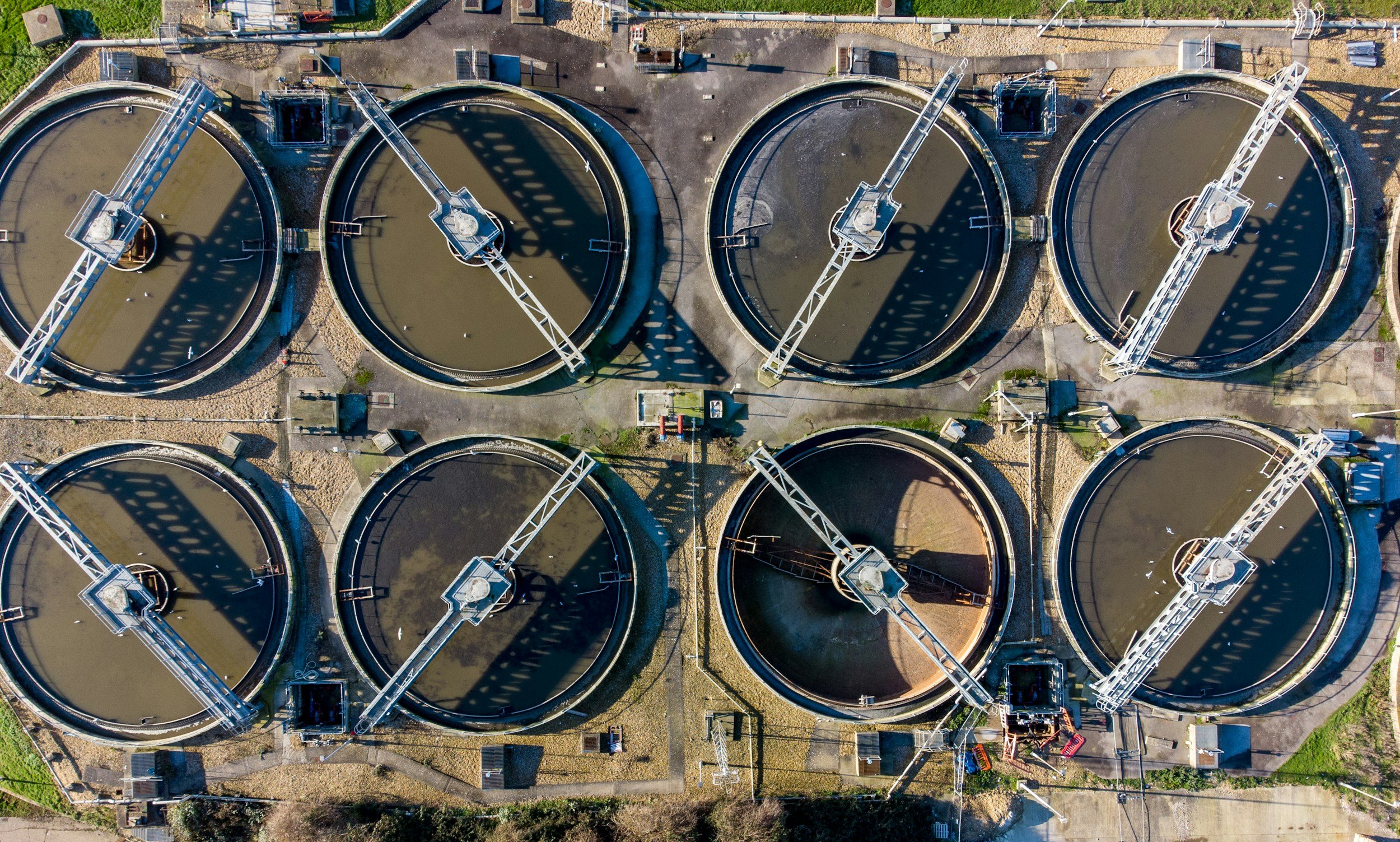
Cyanomin brings new biology into proven industrial infrastructure.
Biofilms have been used for decades in wastewater treatment to remove organic matter, petrochemicals, and inorganic contaminants.
By relying on standard reactors and equipment already deployed at scale worldwide, our facilities de-risk capital costs and enable rapid deployment.
USE CASE
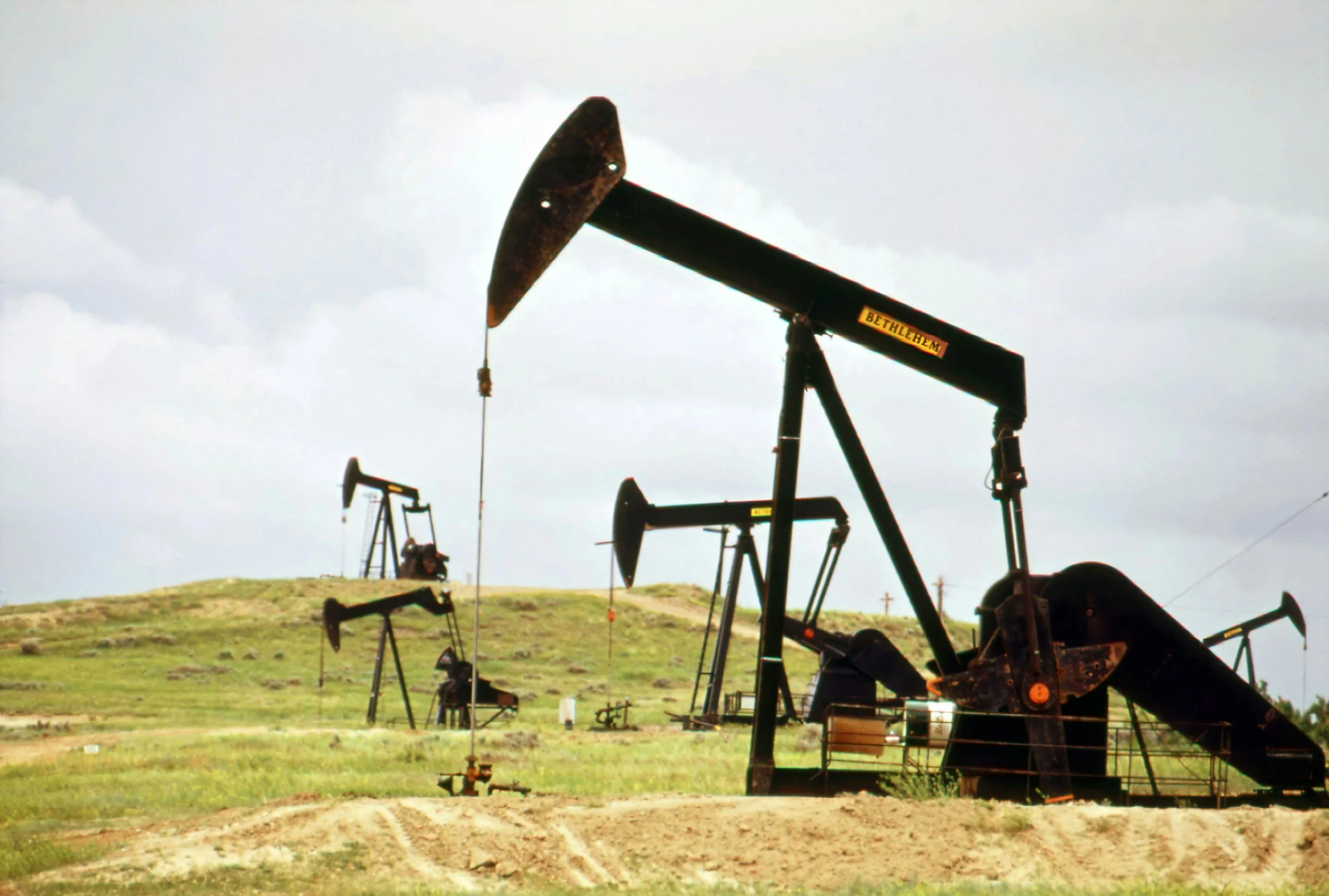
Oil & Gas
80%
of oil produced water is disposed of rather than treated due to high costs.
The Permian Basin generates 4 barrels of wastewater for every barrel of oil. Geology and regulations are limiting disposal, pushing toward treatment.
Conventional desalination technologies are not viable due to technology bottlenecks, including high energy demand, corrosion, and scaling, leading to high costs.
Biodesalination advantages

Up to 90% less energy
Low chemical use
Low discharge volumes

Cost near disposal

Biofilm regeneration
OTHER INDUSTRIES

30% of the world's lithium is extracted from hypersaline brines.
LITHIUM

Seawater desalination generates concentrated brine that must be treated or disposed of.
SEAWATER

30% of the world's copper production generates hypersaline brines.
COPPER

THE CHALLENGE
Over 30 trillion liters of hypersaline wastewater are discharged each year because treatment is too costly or technically unfeasible.
What was once an environmental issue is now an operational bottleneck across oil & gas, lithium, mining, and desalination.
Conventional desalination relies on membranes, pressure, heat, and chemicals, but these methods fail at extreme salinities.
Cyanomin uses biology to treat water where traditional technologies break down.
Hypersaline wastewater volumes are steadily rising, but technologies can’t treat it.

THE TEAM

Second-time founder and biotechnologist building deep-tech companies at the intersection of biology and industrial infrastructure. Previously co-founded RebX (Berkeley SkyDeck B16).
Rodrigo Ferrer
CEO


Alejandro brings over 20 years of research experience in bacterial genetics, biofilm evolution, and microbial adaptation, alongside scientific leadership experience in venture-backed biotechnology startups.
Alejandro Moyano, PhD
CSO

Specialist in genetic regulation of mucoid conversion, biofilm formation, and stress responses in Pseudomonas. She completed her PhD in this field and has over eight years of experience tackling the complexities of bacterial persistence systems.
Gabriela Hedemann, PhD
CTO - Biofilm Engineering

Environmental geochemist and independent CONICET researcher specializing in mineral reactivity, contaminant mobility, and adsorption–desorption processes in complex systems.
Laura Borgnino, PhD
Advisor

Geochemist and CONICET researcher with extensive work on arsenic, fluoride, and mineral transformations in extreme environments, with expertise in carbonate formation and adsorption processes.
Gonzalo Bia, PhD
Advisor
Backed by



Why invest in Cyanomin?
The urgent need for wastewater treatment.
Regulatory pressure, induced seismicity concerns, and basin saturation are rapidly limiting wastewater disposal in major oil-producing regions like the Permian Basin. Disposal is becoming economically and physically constrained, creating an urgent need for scalable treatment solutions. Cyanomin enables the biological treatment of hypersaline wastewater that existing technologies cannot handle.